
Trézor.io/Start — Starting Up™ Your Device | Trézor®
Trezor.io/start helps users begin Trezor wallet setup with clear guidance for device initialization, security checks, recovery preparation, and connecting Trezor Suite for secure crypto management.
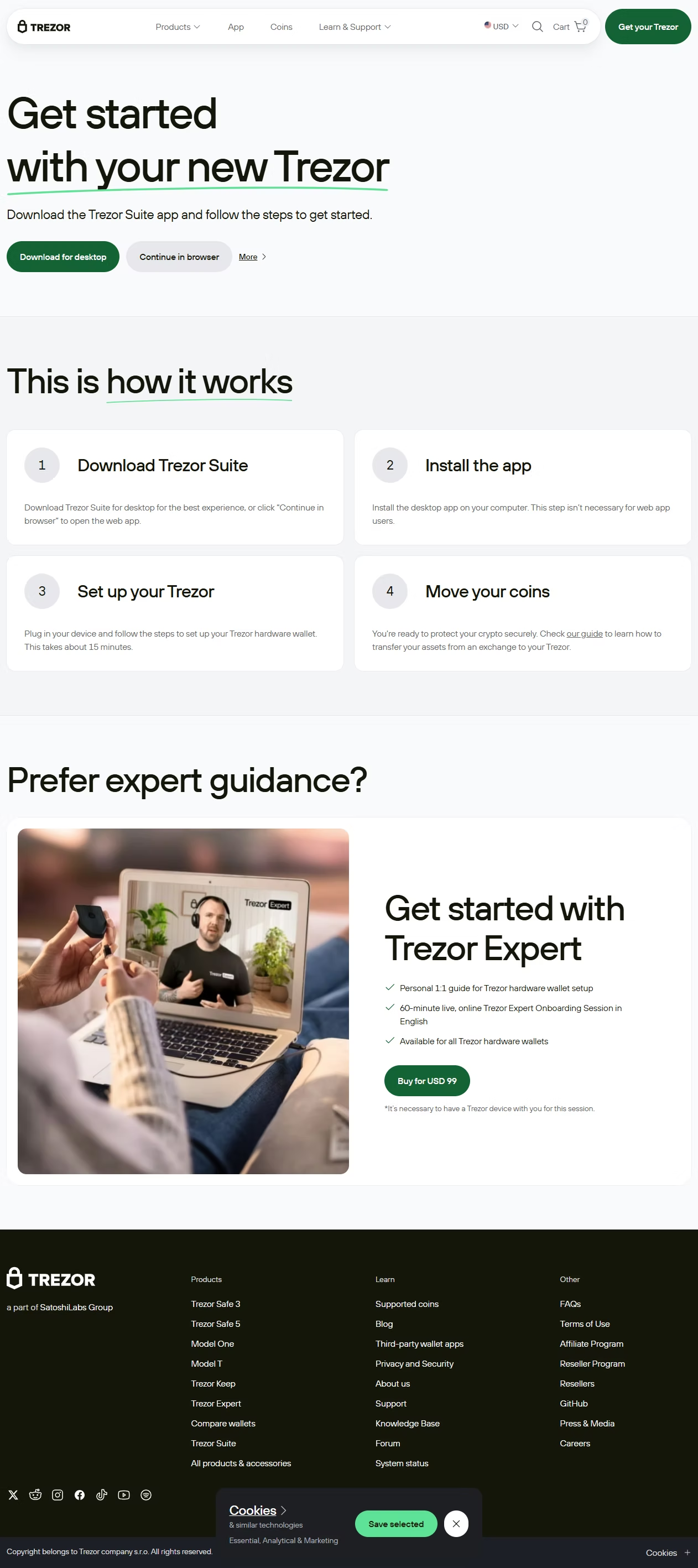
Trezor.io/start: Complete Guide to Setting Up Your Trezor Wallet
Getting started with a hardware wallet can seem complicated when you are new to cryptocurrency. Trezor.io/start is commonly associated with the initial setup process for Trezor hardware wallets, helping users understand how to connect their device, install the required wallet software, and begin managing supported digital assets securely.
A careful setup is important because a hardware wallet is designed to keep sensitive wallet operations protected through a physical device. Taking time to understand each step can help beginners avoid common mistakes.
What Is Trezor.io/start?
Trezor.io/start refers to the Trezor onboarding experience for users beginning with a Trezor hardware wallet. During setup, users can learn how to prepare their device and access the software needed to manage compatible cryptocurrency accounts.
When starting a new wallet, always verify that you are using a genuine Trezor website and trusted software. Cryptocurrency users should be especially careful with search advertisements, unofficial websites, and messages containing wallet-related links.
Preparing Your Trezor Device
Before beginning the setup, have your Trezor hardware wallet, compatible connection cable, and computer or mobile device ready. Use the instructions provided with your specific Trezor model because available features can vary between devices.
Your setup environment should also be secure. Avoid using unfamiliar computers or entering sensitive wallet information into websites that you have not independently verified.
Installing Trezor Suite
Trezor Suite is the primary software environment used with compatible Trezor hardware wallets. After obtaining it from a trusted Trezor source, install the appropriate version for your device.
Once the application is open, follow the on-screen instructions to connect your hardware wallet. Read each prompt carefully instead of rushing through the setup process.
Connecting and Setting Up Your Wallet
Connect the Trezor device and follow the instructions displayed in Trezor Suite. Depending on your device, the setup may include creating or confirming security settings and preparing the wallet for use.
Pay attention to instructions shown directly on the physical Trezor device. The hardware wallet should be treated as an important verification point for sensitive operations.
Creating or Restoring a Wallet
A new Trezor device can be configured as a new wallet, while an existing wallet may be restored using its legitimate recovery information when appropriate.
Recovery information must always be handled privately. Never enter recovery information into a website, online form, email, chat, or application unless the official device instructions specifically and securely require an action. Be particularly suspicious of anyone asking you to reveal your recovery information.
Protecting Your Recovery Information
Your wallet recovery information is one of the most important security elements associated with your cryptocurrency wallet. Anyone who gains unauthorized access to it may potentially gain control of the assets connected to the wallet.
Keep your recovery information private and store it securely according to the manufacturer's guidance. Do not photograph it for cloud storage, post it online, or send it to another person.
Managing Crypto With Trezor Suite
After completing the initial setup, Trezor Suite can provide access to supported cryptocurrency accounts and wallet-management features. Users may be able to check balances, review transaction history, receive supported assets, and prepare transactions.
The software makes portfolio management more convenient, while the physical hardware wallet remains an important part of the transaction-confirmation process.
Verifying Cryptocurrency Transactions
Before sending cryptocurrency, carefully review the destination address, asset, network, amount, and applicable transaction details. Then compare the information shown on the physical Trezor device with what you intended to authorize.
If the details do not match, do not confirm the transaction. Taking a few extra seconds to verify an address or amount can help prevent avoidable errors.
Avoiding Fake Trezor Websites
Phishing is a major concern when setting up cryptocurrency wallets. Scammers may create websites that closely imitate legitimate Trezor pages and then attempt to collect passwords, recovery information, or other sensitive details.
Never trust an unexpected message simply because it uses Trezor branding. Verify the website independently and obtain wallet software from a trusted official source.
Final Thoughts
Trezor.io/start can serve as a useful starting point for users learning how to configure a Trezor hardware wallet. From installing Trezor Suite and connecting the device to creating a wallet and managing supported assets, each stage should be completed carefully.
The most important security principles are simple: use trusted software, protect your recovery information, keep your security credentials private, and verify transaction details directly on your physical Trezor device before approving them.
Updated about 9 hours ago